Audio playback
Chapters 18-19
Is this your podcast and want to remove this banner? Click here.
Chapter 1
Chapter 18
Eric Marquette
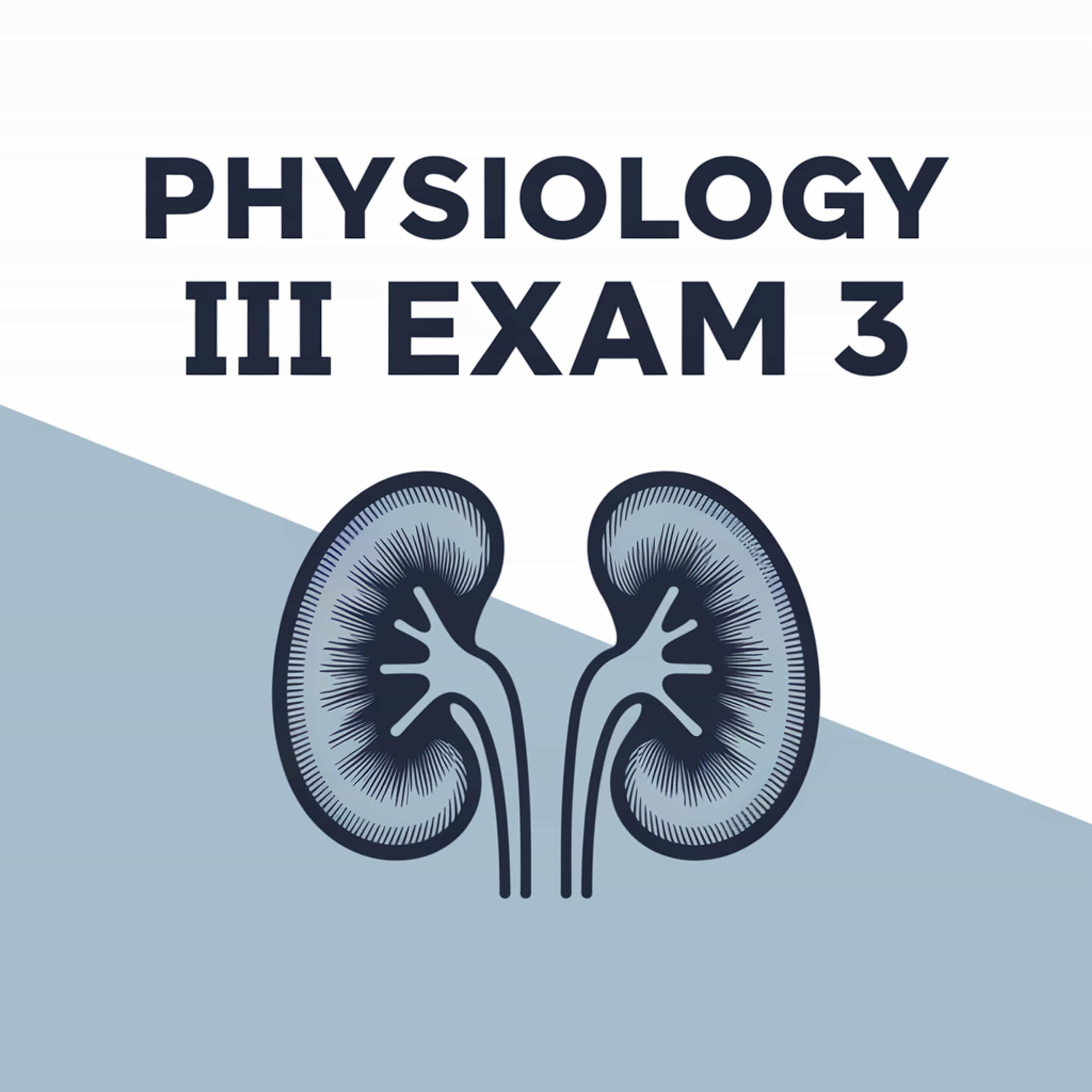
Alright, let’s dive right in. So, in this chapter, we’re breaking down the core ideas from the documents we’ve got here. And I think what stands out first is how each concept builds on the last—it’s, you know, all interconnected. First up, we’ve got an exploration of how the urinary system functions. Now, at its core, the urinary system manages the body’s balance of water and solutes while eliminating waste. It’s a fine-tuned process, kind of like a big, well-organized filter for the body.
Eric Marquette
And when we dig into the kidneys—wow—there’s so much happening there. Like, we’ve got the filtration process through those tiny units, the nephrons, right? Each nephron works as this, um, micro-diverse system within itself. It’s all about separating waste from nutrients, and sometimes reclaiming some of those good nutrients the body needs to keep going strong. Pretty cool stuff.
Eric Marquette
Oh, and we can’t forget the role of hormonal control. It might seem like a background function—like an autopilot—but hormones like antidiuretic hormone and aldosterone are actually doing a lot of the heavy lifting by regulating fluid and electrolyte balance. Without them, the whole system would just—well, it’d go haywire.
Eric Marquette
Then, of course, there’s the acid-base balance. It’s one of those hidden processes working to maintain stability in the body. The kidneys help, you know, either excreting or reabsorbing hydrogen ions and bicarbonate to keep our pH levels within a safe range. It’s subtle but absolutely critical to our overall health.
Eric Marquette
And finally, the integration with other systems. We’re not just looking at the urinary system in isolation. It’s like, everything’s working together—the cardiovascular system, for instance, and respiratory adjustments all tie in. It’s a big example of how the body isn’t just a collection of parts but this incredible network of overlapping systems.
Chapter 2
Chapter 19
Eric Marquette
Now, let’s keep going by looking a bit closer at how everything ties together. One key concept that sticks out is the role of the kidneys in blood pressure regulation. It’s fascinating when you think about it—through mechanisms like the renin-angiotensin-aldosterone system, or RAAS for short, the kidneys directly influence blood pressure and fluid balance. It’s, uh, one of those processes that’s easy to overlook but super crucial.
Eric Marquette
So, here’s how it works: when blood pressure drops, the kidneys release renin. Renin kick-starts this cascading reaction, eventually producing angiotensin II, which helps constrict blood vessels and boost blood pressure. At the same time, aldosterone is released to prompt the kidneys to reabsorb sodium—and where sodium goes, water follows, you know, increasing blood volume. It’s like a feedback loop designed to stabilize things quickly.
Eric Marquette
But it’s not just about raising blood pressure. The kidneys are also responsible for regulating it downward when necessary, through processes like the excretion of excess sodium and water. It’s all about balance, kind of like fine-tuning a car engine to keep it running smoothly without overheating.
Eric Marquette
Then, there’s the connection to red blood cell production. I mean, who would’ve thought that kidneys and oxygen levels are so tightly linked? When the body senses a drop in oxygen, the kidneys release erythropoietin—basically, a signal to the bone marrow to ramp up red blood cell production. It’s an elegant system, isn’t it?
Eric Marquette
And—oh, here’s another thing—remember that acid-base balance we touched on earlier? The kidneys also have a dynamic response to emergencies, like severe acidosis or alkalosis. They—well, they adjust their secretion or absorption of hydrogen ions and bicarbonate to offset those imbalances. Honestly, it’s such a remarkable mechanism when you think about how precise it all needs to be.
Chapter 3
Review of concepts and questions
Eric Marquette
Alright, let’s wrap things up by digging into some of the review questions and, more importantly, the explanations behind them. So, imagine we’re asked something like, how does the kidney maintain homeostasis? It’s easy to say it’s through filtration and balance, but really, there’s such a multilayered story here.
Eric Marquette
Take the nephrons, for example—think back to how each one is like its own processing unit. They’re sorting out waste from, you know, everything else, but they’re also constantly adjusting to what your body needs—whether it’s more water, less sodium, or balancing out those pH levels. There’s a kind of micro-correction happening all the time. And that’s only one part of it.
Eric Marquette
Now, another question might involve the role of RAAS—you remember the renin-angiotensin-aldosterone system, right? It’s fascinating how renin kicks off this whole chain reaction—almost like a domino effect—leading to blood vessels constricting and sodium reabsorption happening. It all works together to stabilize blood pressure, which is, well, absolutely vital for survival.
Eric Marquette
And, of course, we can’t forget erythropoietin and its connection to oxygen levels. The way the kidneys quietly monitor for that drop in oxygen—it’s like having an early-warning system built into your body, signaling bone marrow to, you know, get moving on those red blood cells. Super efficient, right?
Eric Marquette
What stands out most to me, honestly, is how interconnected all these processes really are. Nothing happens in isolation—it’s like, every small adjustment in one place sends ripples through the body. It makes you kinda appreciate just how fine-tuned these systems really are.
Eric Marquette
And that’s all for today. I hope this walkthrough gave you some clarity—or, at the very least, helped you see the beauty of just how intricate the human body really is. Stay curious, keep asking questions, and as always, thanks for spending this time with me. Till next time, folks, take care.